We regularly share patient stories and practical tools to help you navigate metabolic health and cancer with greater clarity and confidence. To receive MTIH Updates In Your Inbox, CLICK HERE.
At the 2025 Metabolic Health Day Conference, Dorian Greenow, co-founder of Keto-Mojo, delivered a powerful and practical presentation on metabolic interventions, ketone testing, and how tracking the right biomarkers can transform the way we approach health.
His message was simple, but profound: If we want better outcomes, we need better feedback.
For many people navigating metabolic dysfunction, chronic illness, or cancer, the question is not just "What should I do?" but also "How do I know if what I’m doing is actually working?"
That is where biomarker tracking becomes so valuable.
Why ketones matter
A central theme of Dorian’s talk was the role of nutritional ketosis and the impact ketones can have on the body — not just as a fuel source, but as powerful signaling molecules.
When the body shifts from relying primarily on glucose to using ketones for fuel, a number of meaningful changes can occur. This metabolic shift may support:
improved energy production
changes in inflammation
support for brain and mitochondrial health
greater metabolic flexibility
deeper insight into how your body responds to food, fasting, and lifestyle interventions
Perhaps most importantly, ketosis is not just a concept, it’s something that can be measured.
Why testing changes everything
One of the most actionable takeaways from this session was the importance of measuring what matters.
Without data, it’s easy to assume something is working. With data, you begin to see the truth of how your body is responding.
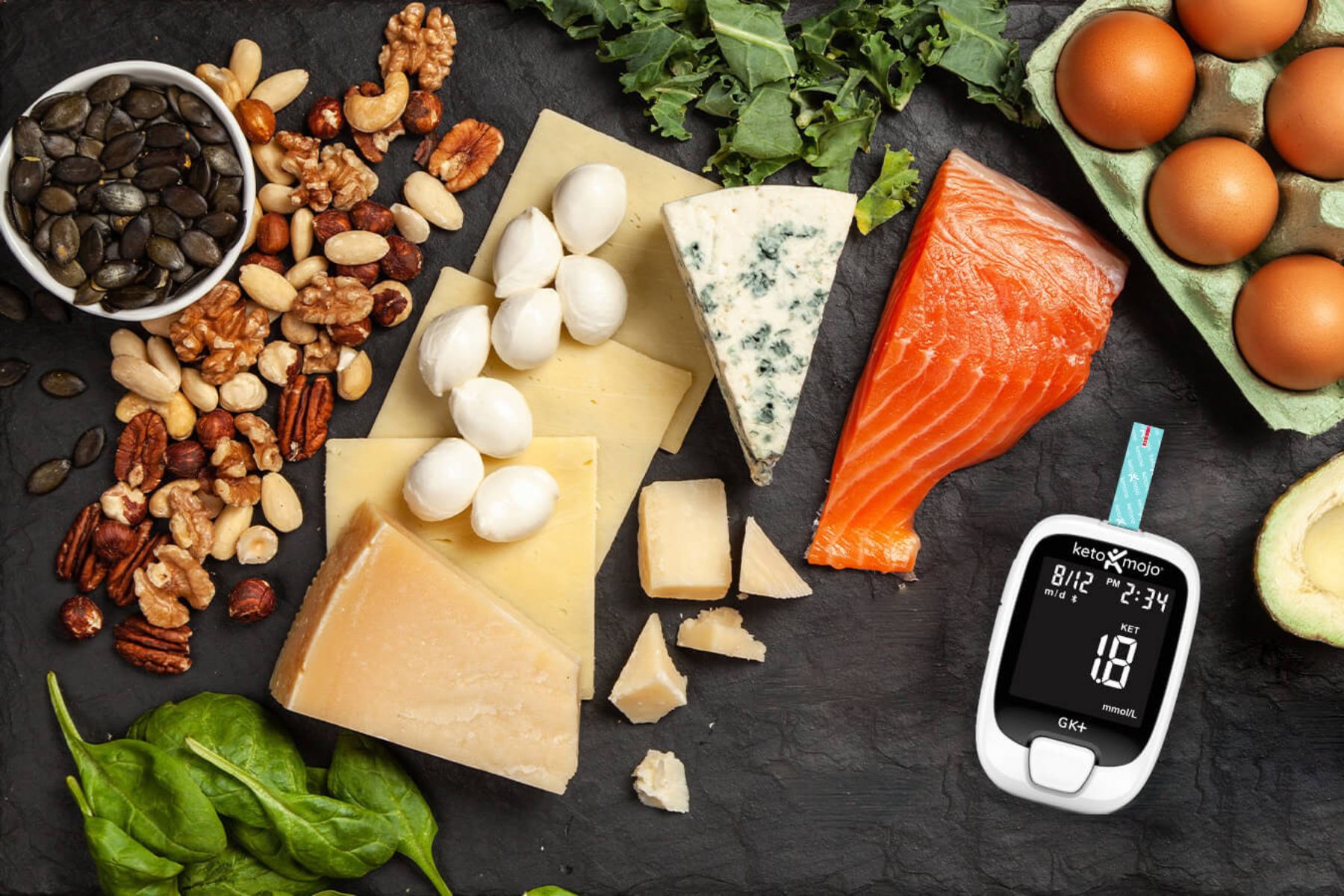
Dorian emphasized that blood ketone testing, specifically measuring beta-hydroxybutyrate, is considered the gold standard. While urine strips and breath tools can be helpful starting points, they often become unreliable over time.
When you can measure your ketones (and ideally your glucose alongside them), you create a real-time feedback loop.
You begin to answer questions like:
Is this way of eating working for my body?
How does this meal impact my metabolism?
Am I moving in the direction I want to go?
And that changes everything.
Because when you can measure something, you can begin to understand it. And when you understand it, you can begin to improve it.
Where This Shows Up in Research
This idea is not just theoretical — it’s beginning to show up in clinical research as well.
In a recent trial out of Cedars-Sinai, patients with glioblastoma followed a supervised ketogenic diet alongside standard of care, while tracking both glucose and ketones throughout the study.
Researchers found that not only was the approach safe and feasible, but participants were able to consistently maintain measurable levels of ketosis over time.
What made this especially meaningful is that it wasn’t based on assumptions.
It was based on data.
Daily feedback. Real-time insight. A clearer understanding of how the body was responding.
And that’s exactly what biomarker tracking makes possible.
Read the Study
From awareness to action
Tracking biomarkers doesn’t just provide information, it creates empowerment.
For individuals, it offers clarity and confidence in day-to-day decisions.
For practitioners, it provides insight that can help guide care, personalize recommendations, and support better outcomes over time.
Instead of guessing, you’re working with real feedback.
Instead of following generalized advice, you’re learning what works for your body.
A different model of care
Dorian also highlighted the importance of moving beyond occasional check-ins and toward a more continuous, supportive model of care.
Lifestyle change is not a one-time decision, it’s an ongoing process that benefits from:
access to trusted educational resources
consistent biomarker tracking
practitioner and coach support
community and shared experience
This kind of model recognizes something we see every day at MTIH: real, lasting change happens with guidance, tools, and support, not in isolation.
The bigger picture
What made this session especially powerful is that it wasn’t just about ketosis, it was about possibility.
We are seeing growing interest in metabolic strategies across a wide range of conditions, including:
metabolic syndrome and type 2 diabetes
neurological conditions
mental and emotional health
cancer care support
and overall health optimization and prevention
At MTIH, we believe this is part of a much larger shift — one that helps people better understand their terrain and take a more active role in their healing journey.
Ready to start tracking your own ketones?
If you’re interested in gaining deeper insight into your metabolic health, a Keto-Mojo meter can be a powerful tool to begin that process.
Shop Keto-Mojo
Affiliate disclosure: MTIH may receive a small commission if you purchase through our link. Your support helps us continue sharing education, resources, and support for those navigating cancer and metabolic health.
Want access to the full Metabolic Health Day experience?
Dorian’s talk was just one of many powerful sessions shared during Metabolic Health Day.
If you’d like to watch this session and explore the full lineup of presentations, click below to access the conference recordings.
Get the Metabolic Health Day recordings
This content is for educational purposes only and is not intended as medical advice. It does not establish a provider-patient relationship. Individual results may vary. Always consult your qualified healthcare provider before making changes to your care. Read our full disclaimer here.
Related Articles
Using Breathwork to Reconnect, Release and Reset
Lynn Hughes
Sep 30, 2026
From Soil to Health: Why Regenerative Agriculture Matters
Lynn Hughes
Sep 18, 2026
Test First. Don’t Guess: How Andrea Schaffer Used Data to Take Charge of Her Cancer Journey
Lynn Hughes
Sep 1, 2026
Movement Is Medicine: The Way You Move Matters More Than You Think
Lynn Hughes
Aug 11, 2026
What Does Your Immune System Have to Do with Cancer?
Lynn Hughes
Aug 3, 2026
Become the CEO of Your Health: Three Lessons from Laura Lummer's Cancer Journey
Lynn Hughes
Jul 28, 2026