
We regularly share patient stories and practical tools to help you navigate metabolic health and cancer with greater clarity and confidence. To receive MTIH Updates In Your Inbox, CLICK HERE.
“I Cannot Fight and Heal at the Same Time”
Conversations about healing often focus on anxiety, stress, depression, or emotional resilience. But for many people navigating cancer, chronic illness, or major life challenges, mental health becomes something even deeper — learning how to protect your energy, process fear, and create space for healing.
In a conversation with breast cancer survivor and coach Laura Lummer, one moment stood out powerfully:
“We can talk about anything, but we are not going to talk about my lifespan, because I’m going to decide on my own lifespan.”
Laura went on to describe setting boundaries with the people around her after receiving a Stage 4 metastatic breast cancer diagnosis.
“You guys can support each other but you can’t bring your fear to me. I have got to put all my energy into healing.”
That perspective may feel radical in a world where fear, worst-case scenarios, and constant stress often dominate conversations around illness. But Laura’s story highlights something many people intuitively know: healing requires more than physical treatment alone.
It also requires emotional protection.
Laura’s Story
Before her cancer diagnosis, Laura’s life already revolved around health and wellness. She was a certified personal trainer, yoga teacher, Clinical Ayurveda Specialist, and health and nutrition coach who deeply believed in living a healthy lifestyle.
Then, in 2011, everything changed.
Laura was diagnosed with Stage 2 breast cancer despite years of focusing on exercise, nutrition, and healthy living. The diagnosis was especially frightening because of her family history and the loss of her brother to testicular cancer years earlier.
At the time, Laura followed a standard-of-care treatment approach that included surgery, chemotherapy, radiation, and hormone therapy. But after treatment ended, she began noticing something many survivors experience but rarely talk about openly — the lingering emotional effects of cancer.
She began meeting other survivors who were struggling with anxiety, depression, fear, emotional trauma, exhaustion, and feeling disconnected from themselves after treatment.
At one point in the conversation, Laura reflects on realizing she was not alone in those struggles:
“She has anxiety. She has depression. She lives with fear. All of these mental emotional struggles they were going through that I was going through.”
Years later, after believing she was cancer-free, Laura experienced a metastatic recurrence. Following a fall, scans revealed cancer throughout multiple areas of her body, including her hips, pelvis, spine, ribs, shoulder blade, lymph nodes, and chest cavity.
The diagnosis forced her to reevaluate not only her treatment plan, but also how she wanted to live, think, heal, and use her energy moving forward.
That journey ultimately led her deeper into the metabolic and terrain-based approach to health, emotional healing work, nervous system support, mindset work, and learning how to care for herself physically, mentally, and emotionally.
The Emotional Side of Healing
Throughout the conversation, Laura speaks openly about fear, trauma, emotional overwhelm, and the internal work that became just as important as nutrition, supplements, or treatment protocols.
After going through surgery, chemotherapy, radiation, and recurrence, she began to recognize that healing wasn’t only about “fighting harder.” In many ways, it became about learning gentleness, self-compassion, and emotional awareness.
She shares:
“I cannot fight and heal at the same time. I cannot be drawn into negativity and fighting and I can’t do it ... I know myself, and I think you have to know yourself.”
So many people living with cancer, chronic illness, caregiving responsibilities, grief, or overwhelming stress feel pressure to stay strong at all times. But emotional healing is not weakness. Setting boundaries is not selfish. Protecting your peace is not avoidance.
Sometimes healing begins when we stop pouring energy into fear, conflict, and survival mode — and start creating space for rest, support, purpose, connection, and hope.
Healing Is More Than a Physical Process
One of the most powerful themes throughout Laura’s story is the idea that the mind and body are deeply connected.
As Laura explored deeper healing work, she began to focus not only on physical support, but also on emotional healing, self-awareness, forgiveness, stress reduction, purpose, and learning to listen to her body differently.
She speaks candidly about realizing that healing involved more than simply attacking disease. It also involved changing the way she related to herself.
Like many survivors, she discovered that once treatment ended, much of the emotional processing was only beginning.
Her journey eventually led her toward a more integrative view of healing — one that included not only physical support, but also emotional healing, self-awareness, stress reduction, purpose, and learning to listen to her body differently.
Choosing Where Your Energy Goes
One of the most moving parts of the interview comes when Laura shares how her family reacted after learning that a tumor discovered years earlier had not been disclosed to her.
Many people around her wanted to fight.
She chose something different.
“I got a really tough choice to make right now.”
“And that is where do I put my energy.”
“And my decision is to put it all into healing.”
That doesn’t mean ignoring reality. It means recognizing that our emotional energy is finite.
Fear, anger, stress, resentment, overwhelm, and constant emotional conflict can drain the very resources we need most when facing health challenges.
Healing often requires intentional choices about:
who and what we give our energy to
how we process stress
what conversations we allow into our space
and how we care for our emotional well-being along the way
Watch the Full Conversation
Laura’s full interview is an honest and deeply personal conversation about survivorship, recurrence, emotional healing, mindset, metabolic health, and learning to support the whole person — not just the diagnosis.
Because healing is not just physical.
And sometimes one of the most powerful things a person can say is:
“I cannot fight and heal at the same time.”
👉 Read more patient stories and testimonials
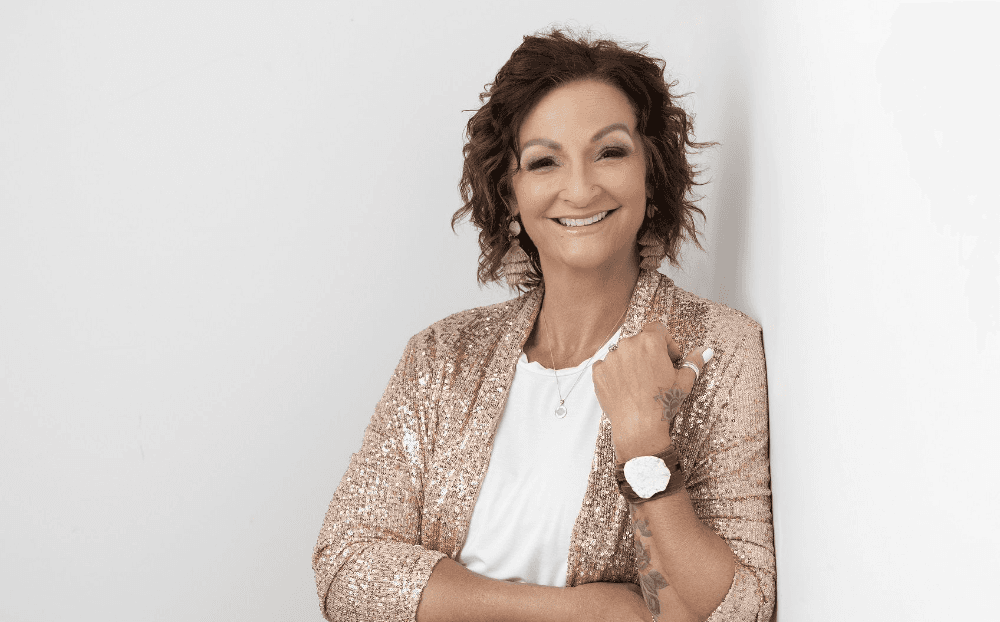
About Laura Lummer
Laura Lummer is a breast cancer survivor, Certified Terrain Advocate, AIM (Advanced Integrative Metabolic Specialist), life coach, nutrition coach, Clinical Ayurveda Specialist, and host of the Better Than Before Breast Cancer podcast. Her work blends science, lived experience, and compassionate coaching—supporting women in creating lives that feel better than before, not defined by diagnosis. To learn more about Laura, visit www.thebreastcancerrecoverycoach.com.
Find the Right Provider for You
Laura is part of a global network of terrain-trained providers, each bringing unique expertise and approaches to care. Finding the right fit matters, which is why we’ve created a simple guide to help you choose a practitioner who aligns with your needs.
👉 Read: How to Find a Metabolic Health Provider
This content is for educational purposes only and is not intended as medical advice. It does not establish a provider-patient relationship. Individual results may vary. Always consult your qualified healthcare provider before making changes to your care. Read our full disclaimer here.
Related Articles
From Soil to Health: Why Regenerative Agriculture Matters
Lynn Hughes
Sep 18, 2026
Test First. Don’t Guess: How Andrea Schaffer Used Data to Take Charge of Her Cancer Journey
Lynn Hughes
Sep 1, 2026
Movement Is Medicine: The Way You Move Matters More Than You Think
Lynn Hughes
Aug 11, 2026
What Does Your Immune System Have to Do with Cancer?
Lynn Hughes
Aug 3, 2026
Become the CEO of Your Health: Three Lessons from Laura Lummer's Cancer Journey
Lynn Hughes
Jul 28, 2026
Your Prognosis Is Not Your Destiny: Lessons in Hope, Healing, and Self-Advocacy with Dale Weber
Lynn Hughes
Jul 14, 2026