
We regularly share patient stories and practical tools to help you navigate metabolic health and cancer with greater clarity and confidence. To receive MTIH Updates In Your Inbox, CLICK HERE.
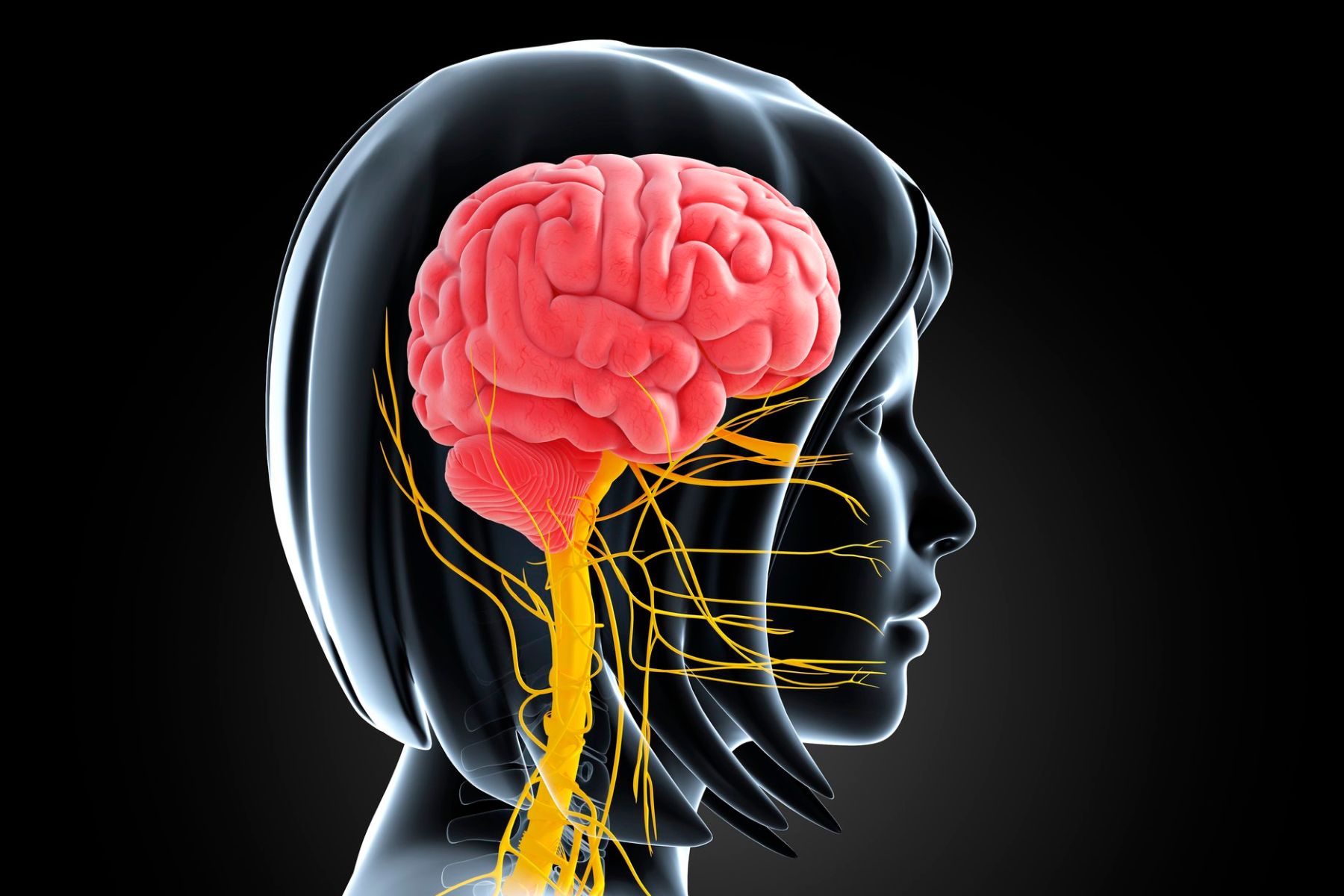
The vagus nerve doesn’t always get the attention it deserves, but it plays a critical role in how your body responds to stress, inflammation, and overall health.
It helps regulate:
Heart rate
Breathing
Digestion
Immune and inflammatory responses
When it’s functioning well, it supports a calm, steady internal state. But when it becomes overwhelmed or dysregulated, the body can remain stuck in survival mode — making it harder to rest, recover, and heal.
In a recent blog post, Dr. Deborah Kennedy, ND, PhD, a terrain-trained provider, explores how the vagus nerve influences the body’s response to stress, inflammation, and recovery — and why supporting it can play an important role in overall health.
Beyond Fight or Flight
Many people are familiar with the idea of “fight or flight,” but the nervous system is more complex than that. The body can also shift into freeze or fawn states — patterns that reflect deeper stress responses.
Fight: heightened tension, increased heart rate, irritability
Flight: anxiety, restlessness, inability to relax
Freeze: low energy, numbness, feeling stuck
Fawn: people-pleasing or over-accommodating to feel safe
These responses are part of the body’s natural defense system — but when the nervous system has difficulty returning to balance, they can begin to affect everyday health and well-being.
A well-functioning vagus nerve helps the body shift out of these states and back into a place of safety, connection, and regulation — conditions that are essential for healing.
How to Support Vagus Nerve Function
Because of its role in regulating the nervous system, supporting vagal tone can have wide-reaching effects across the body.
Simple, consistent practices can help, including:
Deep, slow breathing (with longer exhales than inhales)
Meditation or mindfulness practices
Cold exposure, such as finishing a shower with cold water
Nutrient-dense, anti-inflammatory foods
Supporting gut health through diet and lifestyle
Activities like singing, gargling, massage, or acupuncture
These approaches work by signaling safety to the body — helping shift the nervous system out of stress responses and into a state more conducive to healing.
Read the Full Blog Post: The Vagus Nerve: What You Need To Know
A Broader Approach to Health and Healing
This perspective is reflected throughout Dr. Kennedy’s work — both in her clinical practice and the educational content she shares.
As a naturopathic doctor and researcher with more than 19 years of clinical experience, Dr. Kennedy brings together a unique blend of science and whole-person care. With a PhD in Pharmaceutical Sciences and advanced training in integrative and terrain-based approaches, her work focuses on helping individuals better understand their bodies and the factors that influence health and healing.
She works with individuals navigating cancer and women seeking support for hormonal, metabolic, and complex health concerns.
Through her practice, she offers:
Personalized health assessments and advanced lab testing
Support for hormonal and metabolic health
Terrain-based strategies to support resilience during and after cancer care
Integrative, whole-person approaches tailored to each individual
This approach is also reflected in her work in breast health. Rather than focusing only on detection, she emphasizes understanding and addressing the underlying factors that influence risk — helping women move beyond a “wait and see” approach and toward more informed, proactive care.
Through her program, Another Way to Breast Health™, she helps women identify their unique risk factors, support key areas like metabolism, hormones, and detoxification, and build personalized, step-by-step plans that promote long-term health and resilience.
Learn More About Dr. Deborah Kennedy, ND, PhD
Find the Right Provider for You
Dr. Deborah Kennedy is a terrain-trained provider and part of a broader network of practitioners educated in the metabolic approach to health — each offering different areas of expertise and ways to support healing. Finding the right fit matters, which is why we’ve created a simple guide to help you choose a practitioner who aligns with your needs.
👉 Read: How to Find a Metabolic Health Provider
This content is for educational purposes only and is not intended as medical advice. It does not establish a provider-patient relationship. Individual results may vary. Always consult your qualified healthcare provider before making changes to your care. Read our full disclaimer here.
Related Articles
Using Breathwork to Reconnect, Release and Reset
Lynn Hughes
Sep 30, 2026
From Soil to Health: Why Regenerative Agriculture Matters
Lynn Hughes
Sep 18, 2026
Test First. Don’t Guess: How Andrea Schaffer Used Data to Take Charge of Her Cancer Journey
Lynn Hughes
Sep 1, 2026
Movement Is Medicine: The Way You Move Matters More Than You Think
Lynn Hughes
Aug 11, 2026
What Does Your Immune System Have to Do with Cancer?
Lynn Hughes
Aug 3, 2026
Become the CEO of Your Health: Three Lessons from Laura Lummer's Cancer Journey
Lynn Hughes
Jul 28, 2026